Clari and Salesloft Merged: What Changes for a Buyer
Clari and Salesloft completed their merger in December 2025. What the companies published, what tends to move first after a merger, and what to get in writing.
Salesloft did not buy Clari outright: the two companies merged on 3 December 2025 under chief executive Steve Cox, and the combined company now operates as one Salesloft. Salesloft is the company and platform brand, Clari's name survives on Clari Forecast, and clari.com now opens Salesloft's homepage.
Key takeaways
- Clari and Salesloft merged on 3 December 2025, with Steve Cox as chief executive of the combined company, per Salesloft's newsroom.
- The combined company now operates as one Salesloft: Salesloft is the company and platform brand, and Clari Forecast keeps the Clari name.
- clari.com, its pricing address and its Groove page all open Salesloft pages, while five products still have separate logins.
- After a merger, contracts, support and renewal bundling move first and quietly; get them in writing before accepting a longer term.
Reviewed and updated September 19, 2026
Salesloft did not buy Clari in the usual sense: the two companies merged. They completed the merger on 3 December 2025 and appointed Steve Cox as chief executive of the combined company, on Salesloft's own newsroom. Salesloft has since announced that the combined company now operates as one Salesloft: Salesloft is the company and platform brand going forward, and Clari's name survives on one product, Clari Forecast. Type clari.com today and Salesloft's homepage answers.
What any of that means if you hold a contract with either company is a different question, and the announcements do not answer it, because announcements are not written to. This page separates what the merged company has published from what a buyer still has to establish for themselves.
A disclosure before going further. RevenueFlow runs cold outbound as a service and is paid on attended qualified meetings, so we compete for budget with this company, though not in the same shape. Everything below comes from the company's own published pages, re-read for this update.
Did Salesloft Buy Clari?
The December 2025 release describes a merger, not an acquisition: "Clari and Salesloft have merged", with Steve Cox as chief executive of the combined organization. Salesloft brought the engagement layer, the cadences, dialer and conversation intelligence a rep works in. Clari brought forecasting, deal management and revenue orchestration, the work between a created opportunity and a closed one.
For most of 2026 the combined company published under both names. Its newsroom items from April to August 2026 are signed "Clari + Salesloft", covering an expanded Vidyard partnership, an MCP server connecting forecasting to execution, new CRO and CTO appointments, and a partnership with allGood. The later brand announcement settled the name: "Salesloft is now the company and platform brand going forward", and "Clari Forecast retains the Clari name".
A different contrast worth weighing is how Salesloft's broad engagement layer stacks up against a focused cold email tool, covered in a cross-category comparison of engagement platforms.
What Happened to Clari
Clari the brand has been folded into Salesloft; Clari the forecasting product continues as Clari Forecast. Every Clari address tested for this update opens a Salesloft page. The homepage's canonical link is salesloft.com, the old pricing address opens Salesloft's Talk to Sales form, and the Groove product page, from the engagement tool Clari sold, opens Salesloft's sales engagement page.
The brand announcement says Clari's broader capabilities in revenue intelligence, deal management and conversation intelligence "continue as part of Salesloft". The login menu shows how far the software has travelled behind that: it still offers five separate logins, for Salesloft, Clari Forecast, Conversations, Drift and Groove.
Where the question is data enrichment rather than engagement overlap, a separate piece contrasts Salesloft with technographic contact data enrichment, tools many teams run side by side.
Salesloft's Revenue and What the Company Publishes
Searches for Salesloft's revenue for a given fiscal year find no primary figure: neither the merger release, the brand announcement nor Salesloft's newsroom publishes revenue. The numbers the company does publish are about its data and spending. The merged data set is described as ingesting more than 10 billion revenue interactions and 1 trillion data signals, and research and development investment is described as doubling. Salesloft's pricing page publishes no rates either; it is a form.
What a Merger Changes, and What It Does Not
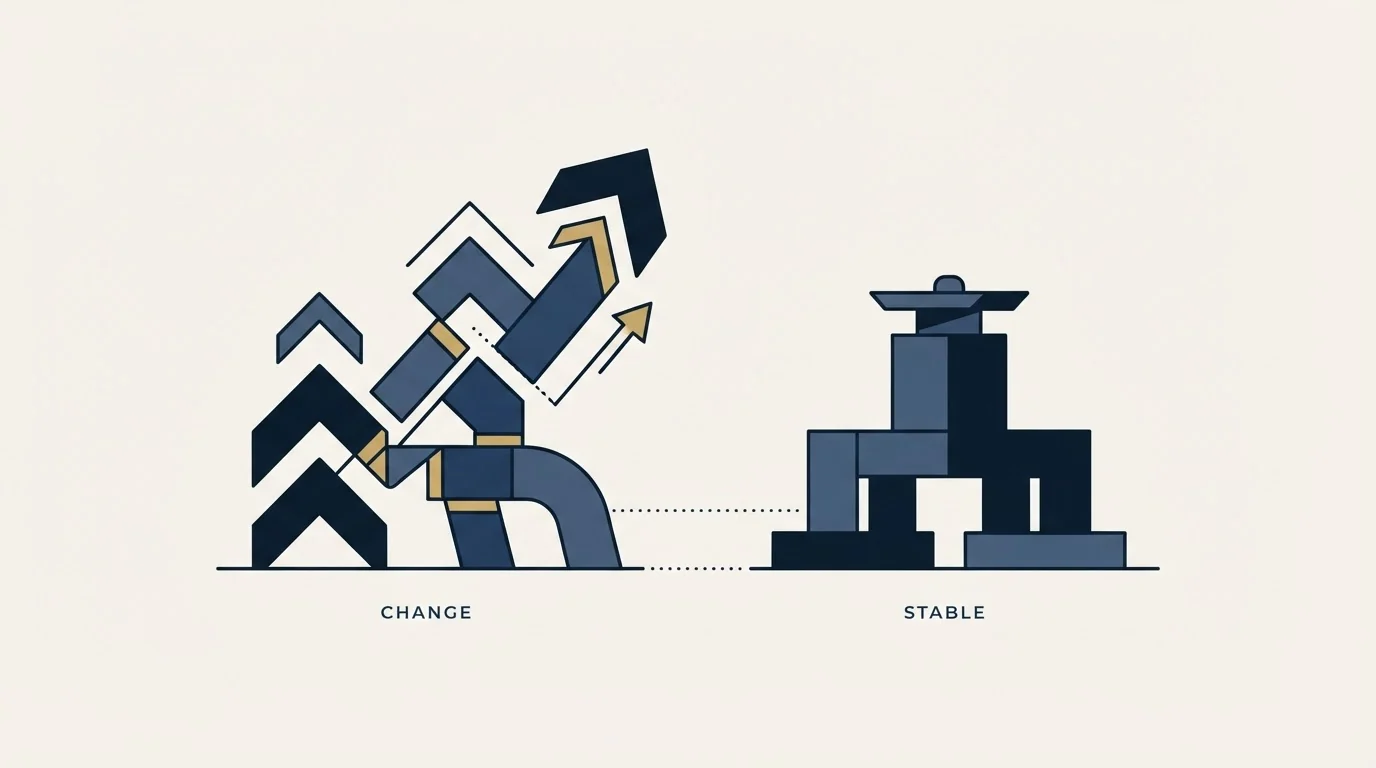
The instinct on hearing that a vendor has merged is to worry about the product. That is usually the wrong first worry, because product changes are slow, announced, and visible well before they land. The things that move first are commercial and operational, and they move quietly.
Moves early, usually unannounced
- Account team and named success contacts
- Renewal quoting, and which modules get bundled
- Support tiers and response commitments
- Which entity is on the contract and the invoice
Moves slowly, usually announced
- Merging overlapping products into one
- One login across what were separate applications
- Retiring either side's existing capabilities
- Pricing changes that reach existing contracts
The overlap question is the one worth being specific about. A company that spans engagement and forecasting through a merger will, for some period, run more than one path to several jobs. The published direction is to unify them, as the published direction of every merger is. What a buyer needs is not the intention but the sequence, and the sequence is a roadmap question you have to ask.
There is a cheap way to sanity-check where the company is on that path. Look at the surfaces the vendor controls completely and would unify first if it could. Single sign-on is the usual tell, because it has the shortest distance between deciding and shipping. The company now describes itself as one company under one brand, and its login menu still lists five products separately. That is not a criticism of the timeline; it is a calibration. The brand unified first and the front door has not yet followed, which is the normal order.
The Questions to Put in Writing
A merger is one of the rare moments when a vendor will answer questions it would normally deflect, because it is actively managing retention. That window does not stay open.
The last item is the one that costs money. The standard retention play after a merger is a discount in exchange for a longer commitment, offered exactly when a buyer has the least information about what the product will be at the end of that term. A longer term is a reasonable trade once the sequence is public. It is a poor trade while it is not.
The exit question deserves more attention than it usually gets, and it is not about dissatisfaction. Engagement platforms are hard to leave because bidirectional CRM sync is the layer that makes everything else defensible: every call, email and task a rep logs lands on the CRM record without anyone typing it. Establishing what leaves with you, in what format, over what notice period, is a question to answer while the relationship is good.
Conversation intelligence is the other half of that answer and the one people forget. Call recordings and transcripts accumulate for years and are frequently the single largest store of customer language a company owns. Ask whether recordings, transcripts and their metadata are exportable in bulk, in what format, and for how long after termination, because the answer is often different from the answer for activity data.
Whether Any of It Changes Your Decision
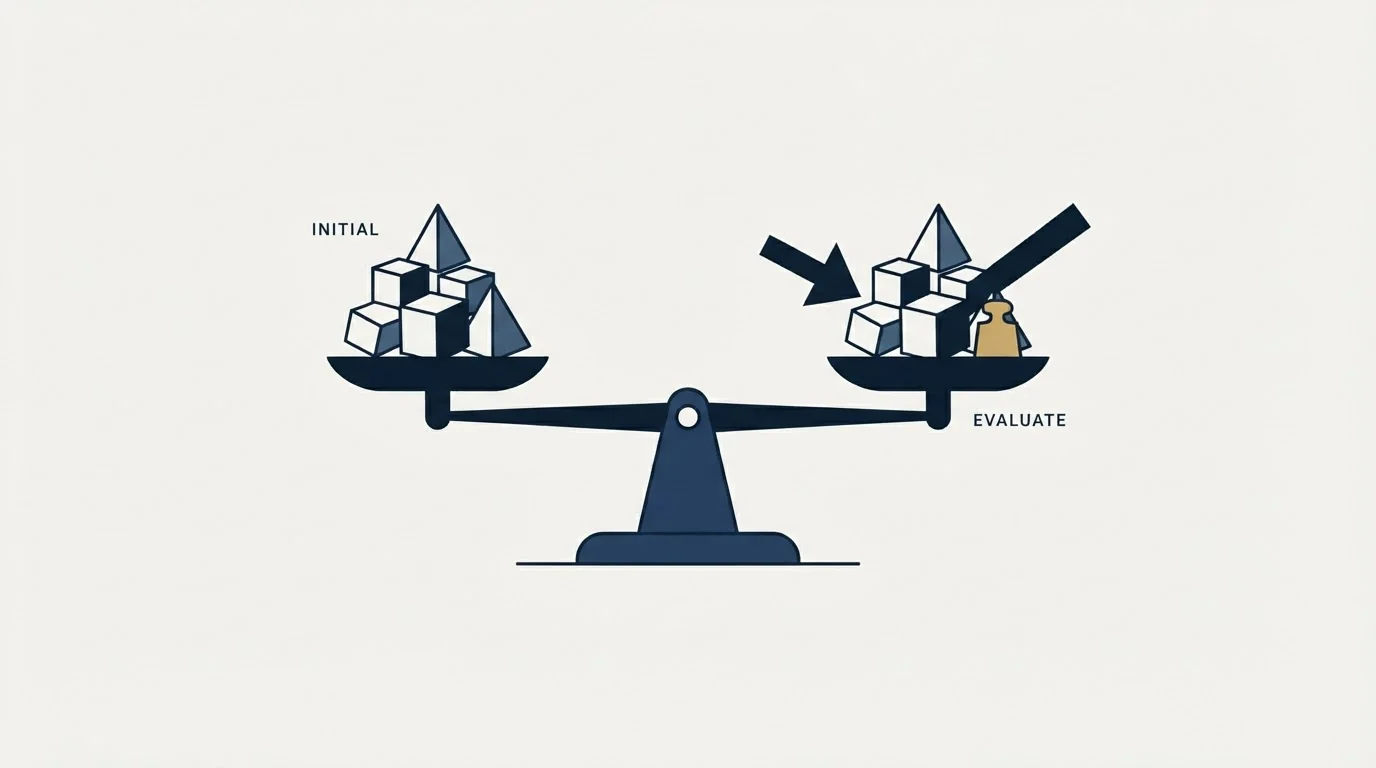
For most teams evaluating this category, the merger changes the diligence rather than the answer. The reasons an engagement platform is the right purchase are unchanged: a CRM that has to be the system of record with activity written back automatically, a programme that includes calling so a dialer is not optional, and enough reps that coaching and forecast hygiene are real problems. That case is worked through in sales engagement platforms, and the head-to-head against the other incumbent is in outreach vs salesloft.
What the merger does change is the weight on the questions above, and on price transparency. Neither half of this company published standard rates before, and the pricing page still publishes none, so a buyer cannot detect post-merger bundling by comparing a quote against a listed number. The only comparison available is your own previous quote against your next one, which means keeping the old one.
If the reason you are looking is cold outbound at volume rather than a rep team working a CRM, the category question sits upstream of the merger entirely. A per-seat platform charges for humans, and a sending programme needs many mailboxes and few humans, which is arithmetic rather than preference. The ceilings that force it are in email sending limits by provider, and the alternatives if you are shopping the category are in best salesloft alternatives.
One doctrine note, because a combined engagement and forecasting platform makes the sequence the default unit of work. We run one message per campaign for cold outbound, with no thread replies and no bumps, because every step after the first is delivered only to people who saw the previous message and declined to answer, and the reputation cost lands on the sending domain across everything else it sends. The full argument is in email sequence software.
The Short Version
Clari and Salesloft merged on 3 December 2025 under chief executive Steve Cox, and the combined company now operates as one Salesloft, with Clari's name kept only on Clari Forecast. Every Clari address opens a Salesloft page, and five products still have separate logins.
None of that is a buyer's answer. The things that move first after a merger are account teams, support commitments, renewal bundling and contracting entity, and they move without announcements. Use the retention window: get the entity, the support commitment, the named contacts, the end-of-life position on anything you depend on, and the exit terms in writing, and decline a longer term until the integration sequence is published rather than promised.
If the underlying question is whether this category fits your motion at all, that one is decided by counting logins against mailboxes and does not depend on the merger. You can see what a campaign would look like for your market.
Company and product details verified against the company's own published pages. Verify current terms with the vendor before relying on them.
Sources: Clari and Salesloft complete merger, Salesloft newsroom, Salesloft unveils unified brand identity, Salesloft newsroom, Salesloft pricing
Frequently asked questions.
Frequently asked questions- Did Salesloft buy Clari?
- Not in the usual sense. Salesloft's newsroom describes a merger: Clari and Salesloft completed it on 3 December 2025 and appointed Steve Cox chief executive of the combined company. The company has since announced it operates as one Salesloft, with Salesloft as the company and platform brand and Clari Forecast keeping the Clari name.
- What happened to Clari?
- Clari merged with Salesloft and its brand was folded into Salesloft's. Clari Forecast continues as a product under the Clari name, and Clari's revenue intelligence, deal management and conversation intelligence capabilities continue as part of Salesloft. The clari.com homepage now opens Salesloft's own homepage.
- Did Clari rebrand?
- Yes, in effect. After signing news as Clari + Salesloft during 2026, the combined company announced a single brand: Salesloft is the company and platform brand going forward, and only the forecasting product, Clari Forecast, keeps the Clari name. Clari's web addresses now open Salesloft pages.
- What was Salesloft's revenue?
- Salesloft does not publish a revenue figure on its own pages, and neither the merger release nor its newsroom gives one. The numbers the company publishes are about its data and spending: more than 10 billion revenue interactions and 1 trillion data signals in the merged data set, and research and development investment described as doubling.
About the author.

B2B cold email experts helping companies generate qualified leads through done-for-you outreach campaigns.
RevenueFlow Team
Explore more.
Ready to scale your outreach?
We build GTM engines that book real meetings. See the receipts.
Related articles.
Gong Engage vs Salesloft Cadence: How They Differ
Gong Engage and Salesloft Cadence compared from each vendor's own pages: where each starts, six jobs side by side, and what the pricing pages disclose.
Lavender Pricing: Two Products, No Pricing Page
Lavender has no pricing page. The Email Coach ladder per seat at both billing states, the free routes, and the separate per-agent price for Ora.
Outbound Lead Generation Tools, Layer by Layer
Outbound tools do six jobs and price on different units: contacts, credits, seats, sends. Thirteen vendors read from their own pages on 18 September 2026, by layer.
Twain Pricing: Credits per Lead, Three Research Modes
Twain sells credits, not seats, and a lead costs 1 to 14 of them depending on the research mode. The two ladders, the four expiry clocks and the cap.
Zeliq Pricing: One Seat Rate and a Credit Meter
Zeliq prices one self-serve seat in dollars with a credit meter that never expires. Both billing states, the three credit rates, the top-up ladder and the Custom floor.
Salesgear Pricing: Two Ladders Under One Plan Title
Salesgear's page is titled as one plan and carries a Data ladder and an Outreach ladder. Both at both billing states, what each meters, and the two vendor-side conflicts.